

Sharing your home with a dog or cat usually means sharing it with a little extra mess too. Pet hair finds its way onto sofas and carpets, muddy paws appear just after you’ve cleaned the floor, and food, litter and the occasional accident can all add to the cleaning list.
The trick isn’t to keep your home perfectly clean at all times. A few simple habits can stop everyday pet mess building up and make bigger cleaning jobs much easier.
Whether you live with a long-haired cat, a dog that loves muddy walks or several four-legged family members, these pet-friendly cleaning tips can help you stay on top of the mess.
Create a cleaning station by the door
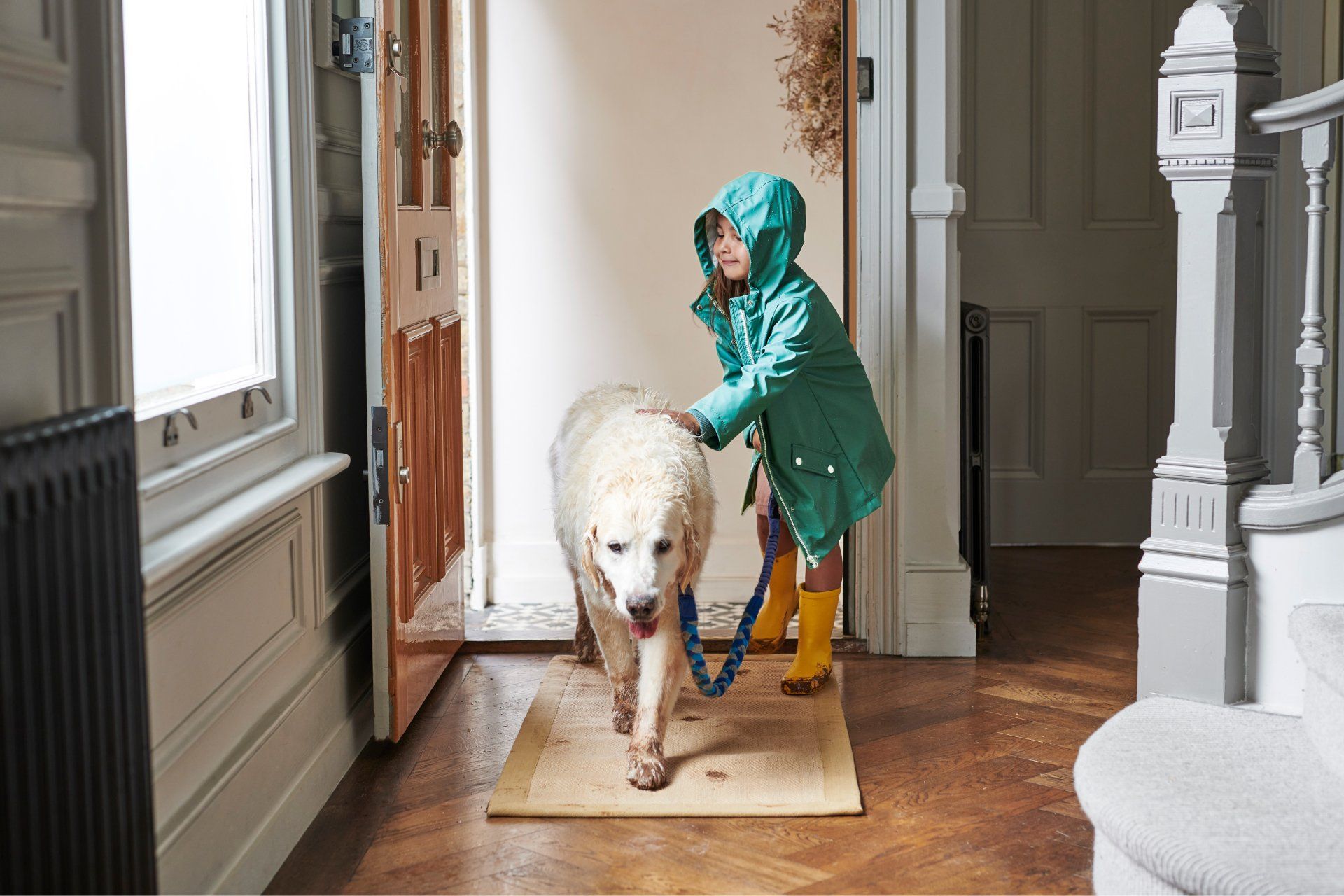
For dog owners, one of the easiest ways to keep your home cleaner is to tackle mud before it travels beyond the hallway.
During wet weather, keep an absorbent towel near the door so you can wipe muddy paws before your dog comes further inside. A good doormat can also catch some of the water, grit and dirt brought in on paws and shoes.
If your dog comes home particularly muddy, having a designated place for leads, towels and other walking essentials means you’re not searching for everything while muddy footprints spread across the floor.
Cat owners can apply a similar principle around litter trays. A suitable litter mat can help catch some of the loose litter from paws before it’s tracked into surrounding rooms.
Vacuum pet hair regularly
Pet hair is easier to manage when you don’t give it time to accumulate.
Rather than waiting until there’s a visible layer on your carpets, build quick vacuuming into your routine. Concentrate on the places where your pet spends the most time, such as around beds, underneath furniture and near their favourite spot on the sofa.
Pay attention to room edges and corners too. Loose fur can be carried around by everyday movement and settle in areas you might normally overlook.
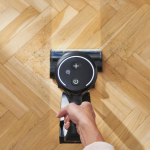
If shedding is a major issue in your home, look for a vacuum designed with pet hair in mind. The VAX HomePro Pet Cordless Vacuum Cleaner features HairWrap Resist to help prevent long, short and pet hair wrapping around the brush roll, as well as dedicated tools for tackling pet hair around the home.
Don’t forget sofas and other soft furnishings
Your floor isn’t necessarily where you’ll find the most pet hair.
If your dog or cat is allowed on the sofa, check underneath cushions and along seams and edges regularly. These areas can collect an impressive amount of fur, crumbs and other debris without being immediately visible.
A removable, washable throw can make life easier if your pet has a favourite chair or section of the sofa. Instead of repeatedly cleaning the upholstery itself, you can remove the cover and wash it according to its care instructions.
For hair that’s already made its way onto upholstery, use a vacuum attachment suitable for the fabric. A dedicated pet tool can be particularly useful for lifting stubborn hair from sofas, stairs and pet beds.
Always check the furniture manufacturer’s care instructions before using a vacuum attachment or wet-cleaning product on upholstery.
Deal with muddy paw prints properly
A muddy walk doesn’t have to mean a ruined carpet.
If your dog has left mud on the carpet, avoid immediately rubbing at the mark. For ordinary mud without other contaminants, allowing it to dry can make it easier to remove the loose soil with a vacuum before treating any mark that’s left behind.
Once you’ve removed as much loose dirt as possible, deal with the remaining stain according to your carpet manufacturer’s cleaning instructions.
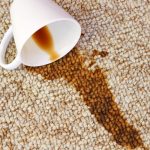
For smaller stains and everyday pet mess, a portable spot cleaner can be useful because you can target the affected area rather than cleaning the entire carpet. The VAX SpotWash range is designed for targeted cleaning of stains and spills, with models and tools suited to carpets, upholstery and other areas around the home.
The sooner you know there’s a stain, the sooner you can decide how best to tackle it – particularly when you’re dealing with something other than ordinary mud.
Keep the area around litter trays clean
Cats may be famously clean animals, but litter doesn’t always stay inside the tray.
Vacuum or sweep around the litter tray regularly to pick up loose pieces before they’re carried around the house. Pay particular attention to nearby corners, skirting boards and underneath furniture.
When cleaning the litter tray itself, follow the instructions supplied with your chosen litter and tray. Completely emptying and cleaning the tray periodically can help keep the area fresh, but how often this is necessary will depend on the type of litter you’re using and the number of cats in your home.
If your cat suddenly starts toileting outside the litter tray, don’t simply treat it as a cleaning problem. A change in toileting behaviour can have behavioural or medical causes, so consider speaking to your vet if you’re concerned.
Clean pet beds and blankets regularly
Pet bedding collects hair, dirt and whatever else your dog or cat has picked up during the day.
Vacuuming the bed between washes can help remove loose fur and debris. Pay particular attention to seams and folds where hair tends to accumulate.
For a deeper clean, check the care label. Some pet beds have removable machine-washable covers, while others need to be cleaned differently. Don’t assume the entire bed can go into the washing machine.
Blankets and washable covers are particularly useful for pets that regularly sleep on furniture because they’re easy to remove and clean.
Make sure bedding is completely dry before giving it back to your pet.
Keep food and water areas under control
The area around your pet’s bowls can become messy surprisingly quickly.
Dogs can splash water across hard floors, while both cats and dogs can scatter pieces of food around their bowls. A wipe-clean mat underneath the feeding area can contain some of this mess and make everyday cleaning easier.
Pick up dropped food regularly rather than allowing it to accumulate around the edges of the room or underneath nearby furniture.
Wash food and water bowls according to their manufacturer’s instructions and replace damaged bowls that have become difficult to clean properly.
Give carpets a deeper clean when they need it
Regular vacuuming removes loose dirt, debris and pet hair, but carpets can still benefit from a deeper clean periodically – particularly in busy homes with pets.
High-traffic areas, favourite sleeping spots and routes between the garden and living areas can all start looking tired over time.
A dedicated carpet cleaner washes into the carpet rather than simply picking up loose surface debris. VAX’s pet-focused carpet cleaners are designed with busy pet homes in mind, with tools for tackling pet hair and stains beyond the main floor area.
For example, the VAX MAXClean Pet combines whole-carpet cleaning with an onboard hose and dedicated Pet Tool, so it can also tackle embedded pet fur and stains on suitable upholstery and carpeted stairs.
Always check your carpet or upholstery manufacturer’s care instructions before wet cleaning.
Tackle pet smells at the source
When a room starts smelling of pets, simply trying to cover the smell with another fragrance isn’t the best approach.
Work out where the odour is coming from first. Pet beds, blankets, carpets, upholstery, litter trays and feeding areas are all worth checking.
Vacuum loose hair and debris, wash removable textiles according to their care labels and clean affected carpets or upholstery with products designed for the surface.
If you’re dealing with a urine, vomit or faeces accident, treat it differently from everyday dirt. Remove the mess carefully, follow appropriate hygiene precautions and use a pet-appropriate cleaning product suitable for the affected surface.
Persistent or unusual odours associated with your pet can sometimes indicate a health issue, so speak to your vet if you have concerns.
Keep pet toys clean and organised
Toys can quickly become scattered throughout the house, making everyday vacuuming more difficult.
A basket or storage box gives you somewhere to quickly collect them before cleaning. It also makes it easier to check toys regularly for damage.
Cleaning depends on the toy. Some fabric toys may be machine washable, while rubber, plastic and electronic toys may require completely different care. Check the manufacturer’s instructions rather than assuming everything can be soaked or put in the washing machine.
Damaged toys should be removed if they could pose a risk to your pet.
Make cleaning underneath furniture part of your routine
Pet hair has an impressive ability to disappear underneath sofas, beds and cabinets.
You don’t need to move every piece of furniture whenever you vacuum, but periodically cleaning these hidden areas stops fur and dust accumulating.
A cordless vacuum can make this easier. Flexible designs such as those in the VAX HomePro range are designed to reach underneath low furniture, which is particularly handy when your pet’s favourite hiding place also happens to be underneath the sofa.
Remember to check behind and underneath pet beds too.
Build a simple pet-cleaning routine
Keeping a home clean with pets is much easier when you tackle small jobs regularly instead of leaving everything for one major cleaning day.
Your routine could be as simple as:
- Daily: wipe muddy paws, pick up scattered food or litter and deal with accidents when they happen.
- Every few days: vacuum the areas where your pets spend most of their time, including sofas if they’re allowed on them.
- Regularly: clean pet bedding, bowls, litter areas and washable throws according to their care instructions.
- Periodically: vacuum underneath furniture and give carpets or suitable upholstery a deeper clean when they need it.
How often you’ll need to do each job depends on your home, your pet and even the time of year. A labrador racing home after a muddy winter walk creates a very different cleaning routine from an indoor short-haired cat.



 Vax Staff