

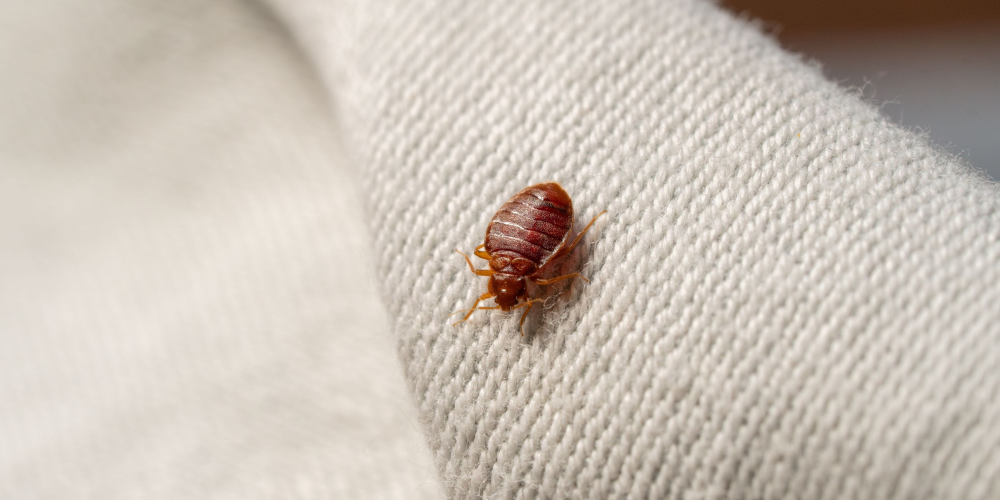
If you’ve come home from a stay away with some unpopular additions, here’s how to effectively and carefully rid your home of bed bugs.
Lots of peoples’ instant reaction is to vacuum, and vacuum hard – thinking that this will be the end of the issue. They’re on the right track, as vacuum cleaning is one of the fastest ways to reduce the visible signs of bed bugs, but it’s not a complete solution.
Used properly, a vacuum cleaner can physically remove live insects, shed skins and some loose eggs from mattresses, bed frames and nearby floors. However, suction alone does not reliably kill bed bugs or destroy their eggs. For that, you’ll need to take your cleaning a few steps further.
Think of vacuuming as a crucial first step within a wider plan that includes heat, laundering and routine inspections in your fight against a bed bug infestation.
signs you’ve got bed bugs
Bed bugs are small, nocturnal insects that feed on human blood while you sleep. They’re excellent at hiding, so you may notice the signs before you ever see the bugs themselves.
Common signs of a bed bug infestation include:
- Small, itchy bites, often appearing in lines or clusters on exposed skin, and/or tiny blood spots on your sheets or pillowcases.
- Small black or brown dots (bed bug droppings) on mattresses, bedding or furniture.
- Pale yellow shed skins left behind as bed bugs grow.
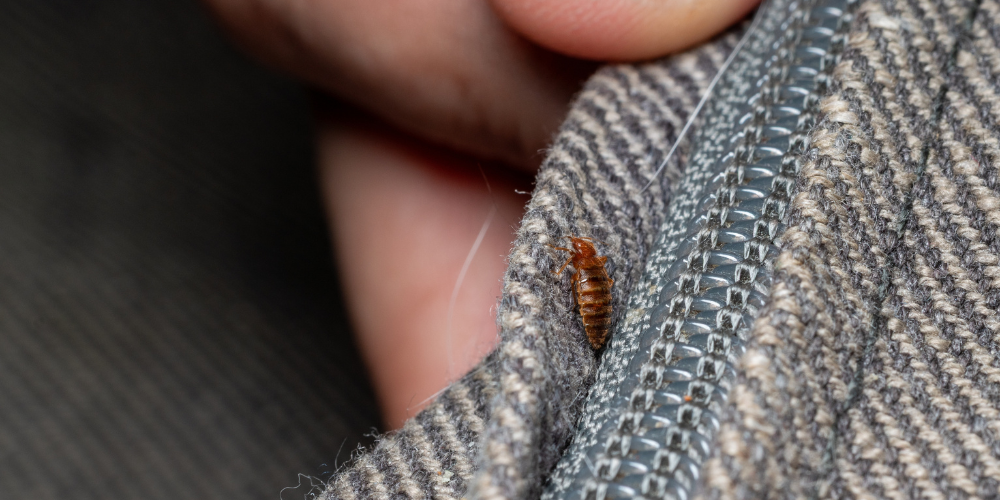
- Spotting live bed bugs hiding in mattress seams, bed frames, headboards or nearby furniture.
- A sweet, musty odour in severe infestations.
If you spot several of these signs, it’s worth inspecting your bed and surrounding furniture as soon as possible. The earlier you identify an infestation, the easier it is to manage.
what do bed bugs and their eggs look like?
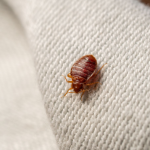
Adult bed bugs are around 4–7mm long; roughly the size of an apple seed. They’re reddish-brown, oval-shaped and become darker after feeding. Young bed bugs (known as nymphs) are much smaller and paler, making them harder to spot.
Bed bug eggs are around ovals around 1mm long, and white or cream in colour. They’re usually laid in clusters inside cracks, mattress seams, bed frames and furniture joints – perfect places for bed bugs to hide and reproduce.
Because the eggs are so small and sticky, they’re difficult to remove by hand. Thorough vacuuming can help remove some eggs and insects from surfaces, but it’s unlikely to eliminate every egg hidden deep within cracks and crevices.
are bed bugs dangerous for adults, kids and pets?
While bed bugs are unpleasant, they aren’t known to spread diseases to people or pets. However, their itchy bites can cause sleep disruption, and they can cause allergic reactions and skin irritation in some people.
Children and people with sensitive skin may react more strongly to bites, while pets can occasionally be bitten too, although bed bugs generally prefer feeding on humans.
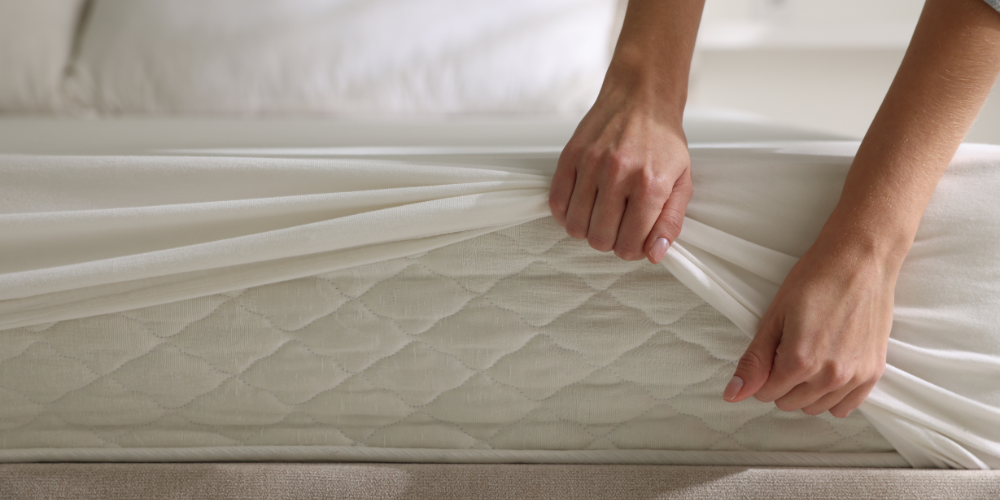
how to get rid of bed bugs
step 1: use a vacuum cleaner on your mattress and around the bed
Bear in mind that vacuum cleaning is the first step in your fight against bed bugs – and it forms an essential part of the solution. When you start vacuuming your bed and mattress, work slowly and methodically for the best results.
Clear clutter around sleeping areas so you can easily reach skirting boards, bed legs and furniture joints. Use strong, continuous suction and a crevice tool to focus airflow where bed bugs hide.
- Remove your mattress from the bed frame, ensure you can easily access all its sides, and vacuum the top, sides and underside. You might need some help for this part if it’s a large mattress.
- Use your vacuum cleaner’s nozzle attachment for maximum suction.
- Make deliberate, slow passes along mattress seams, piping, button tufts and labels.
- Next, move on to your bed frame. Vacuum the bed frame thoroughly, paying attention to joints, screw heads, slats and headboard fixings – where bed bugs like to hide.
- Run the crevice tool along skirting boards, carpet edges, underlay joins and around plug sockets and curtain rails. Remember to vacuum nearby soft furnishings such as sofas and chairs, focusing on seams, zips and folds.
- Finish the vacuuming step by treating flooring within at least a metre of the bed to catch any dispersing insects.
Choose a vacuum with HEPA filtration to limit the spread of fine particles and allergens while you clean. A sealed system helps prevent captured debris from leaking back into the room. Maintain strong suction by emptying the bin before it is full and cleaning filters as directed by the manufacturer.
After cleaning, dispose of collected material safely to avoid re-infestation. If your model uses bags, immediately seal the bag inside a second plastic bag and place it in an outdoor bin. For bagless vacuums, empty the contents into a plastic bag outdoors, seal tightly, and wash the dust bin with hot, soapy water.
Clean removable filters according to instructions and allow them to dry fully before refitting. If the weather allows and you’ve got a secure spot, storing your vacuum outside between sessions can reduce the chance of reinfestation. Otherwise, make sure you keep your vacuum cleaner far away from any areas with carpets or furnishings – a room with a tiled floor is ideal.
step 2: WASH AND HEAT-TREAT BEDDING AND CLOTHING
Once you have finished vacuuming, remove bedding, mattress protectors, sleepwear and any washable soft furnishings from the affected room. Place them directly into sealed bags before moving them through your home to avoid spreading bed bugs elsewhere.
- Wash affected items at 60°C, where the care label allows.
- Tumble dry them on a hot setting for at least 30 minutes, if suitable for the fabric.
- Keep cleaned items in fresh, sealed bags or containers until the infestation has been treated.
- Check curtains, throws, cushion covers and clothing stored close to the bed.
- Do not return clean bedding to the mattress until it has been inspected or treated.
Heat can kill bed bugs and their eggs when the correct temperature is maintained, making laundering an important part of the wider treatment process. Always follow each item’s care instructions, as high temperatures can damage some materials.
Items that cannot be safely washed or tumble dried may require specialist treatment. Avoid moving untreated belongings into another room, as this could spread the infestation.
step 3: steam clean your mattress (where suitable)
If your mattress care instructions allow it, steam cleaning can help kill bed bugs and their eggs using high temperatures. It’s most effective when used after vacuuming, as this removes dust and debris that can prevent the steam from reaching the mattress surface.
Before you begin, always check your mattress manufacturer’s care label. Memory foam and some latex mattresses should not be steam cleaned, as excessive heat and moisture can damage the materials.
If your mattress is suitable for steam cleaning:
- Work slowly across the mattress using your steam cleaner, paying particular attention to seams, piping and button tufts where bed bugs like to hide.
- Avoid soaking the mattress – the aim is to apply steam, not excess moisture.
- Make sure you steam clean both sides of the mattress and all sides.
- Allow the mattress to dry completely before replacing bedding. Open windows, use a fan or run a dehumidifier to speed up drying.
Steam cleaning can help reduce bed bugs on the mattress surface, but it won’t eliminate insects hiding inside bed frames, furniture or cracks around the room. For the best results, combine steam cleaning with thorough vacuuming, hot washing, mattress encasements and, if the infestation persists, professional pest control. We’ve written a handy guide to cleaning a mattress which hopefully you’ll find handy.
the best vacuum cleaners for removing bed bugs
A powerful, hardworking vacuum cleaner is an essential part of your arsenal in the fight against bed bugs. If you’re choosing a vacuum cleaner to rid your home of these unwelcome guests, your vacuum cleaner will need the following:
- Crevice tool: Reaches tight seams, screw heads and the junction between skirting boards and flooring.
- Upholstery tool or mini motorised head: Lifts debris from fabric surfaces and mattress faces without snagging.
- Handheld vacuum cleaners: Ideal for precise work around bed frames, drawers and curtain rails.
- Uprights and cylinder vacuum cleaners: These models provide powerful coverage for carpets and hard floors during wider clean-ups.
We’d recommend the following Vax models for bed bug removal:
best overall: homepro detect pet cordless vacuum cleaner
The Vax HomePro Detect Pet Cordless Vacuum Cleaner is a great choice for tackling areas where bed bugs are commonly found. Its powerful suction helps lift insects, shed skins and debris from carpets and hard floors, while the upholstery tool is ideal for cleaning mattresses and soft furnishings. The crevice tool makes it easy to reach bed frames, skirting boards and furniture joints, and its cordless design allows you to move freely around the room, making thorough cleaning quicker and more convenient.




 Vax Staff