

Timeless, hardwearing and built for busy family life, hardwood floors are designed to last for decades, but they need the right care to keep them looking their best. Dust, grit and everyday spills can gradually dull their finish, while using too much water or the wrong cleaning products can cause lasting damage.
The good news is that cleaning hardwood floors is straightforward when you use the right method. Regular vacuuming removes abrasive dirt before it scratches the surface, while gentle mopping using minimal water keeps sealed wood looking clean without exposing it to excess moisture.
Cleaning hardwood floors in five simple steps
The simplest way to keep your hardwood floor looking spick and span is keeping a consistent cleaning plan – and one huge factor is acting quickly when spills occur. Cleaning hardwood floors as soon as spills happen helps prevent moisture from soaking into the wood, where it can cause staining, swelling or warping.
Prompt, consistent and regular cleaning also stops grit and debris from being walked across the surface, reducing scratches and preserving the floor’s finish.
If you’re looking for the quickest and safest way to clean hardwood floors, follow these five simple steps.
1. Remove dust and loose dirt
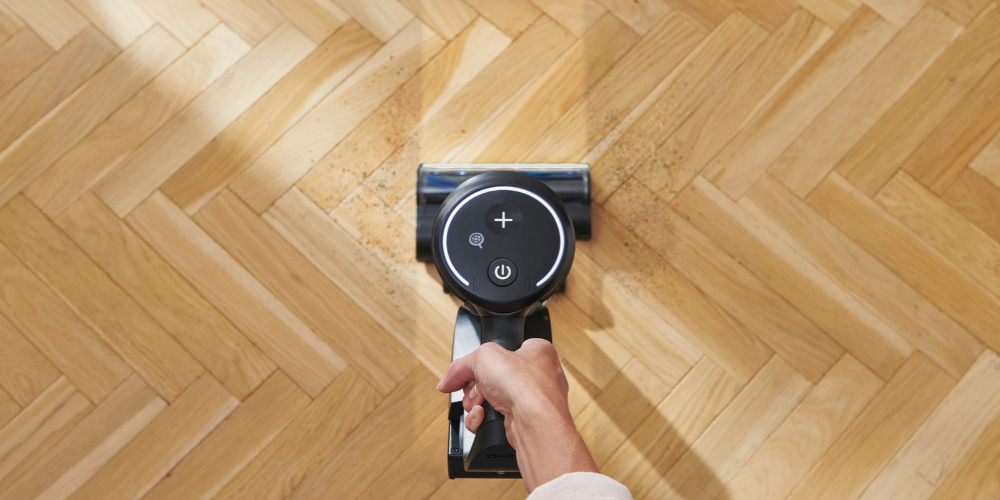
Before introducing any moisture, vacuum or sweep the floor to remove dust, grit and crumbs. A cordless vacuum fitted with a hard floor head is ideal because it lifts fine debris without scratching the surface. If your vacuum has a rotating brush bar, switch it off before cleaning hardwood floors.
Pay particular attention to skirting boards, corners and underneath furniture where dust tends to collect.
2. Clean up spills immediately
Spilled drinks, muddy footprints and sticky marks should be cleaned as soon as possible. Use a slightly damp microfibre cloth to blot the spill before drying the area immediately with a clean cloth.
Avoid leaving water sitting on hardwood flooring, as moisture can seep between the boards and damage the finish over time.
3. Mop with minimal moisture
For a deeper clean, use a pH-neutral cleaner designed for sealed hardwood floors with a steam cleaner – but only if you’re able to use it on your hardwood floor.
If you can’t steam clean your floor, rather than soaking a traditional mop, lightly dampen a microfibre pad and work in small sections following the direction of the wood grain. Using less water is always better. Your floor should feel barely damp rather than wet.
4. Dry the floor
After mopping, go over the area with a dry microfibre cloth or clean tea towel if necessary. Proper drying helps prevent streaks and reduces the risk of moisture working its way into the joints between floorboards.
5. Replace furniture carefully
Once the floor is dry, replace any furniture carefully, lifting rather than dragging items across the surface. Adding felt pads to the bottom of chair and table legs will also help prevent scratches.
Which cleaners are best for hardwood floors?
Different homes have different cleaning needs, so choosing the right cleaning machine can make maintaining hardwood floors much easier.
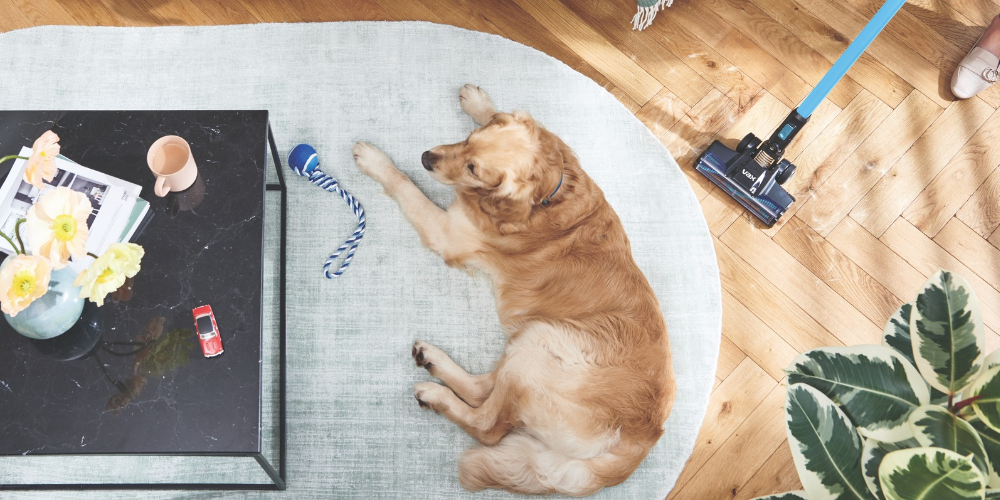
For everyday dust and debris: A cordless Vax vacuum with a dedicated hard floor setting is ideal for removing dust, pet hair and grit without damaging sealed wooden floors.
For sticky spills and everyday hard floor cleaning: If your kitchen or hallway gets plenty of muddy footprints, food spills or everyday mess, a Vax hard floor cleaner helps lift dirt while using minimal water, making it suitable for regular cleaning on sealed hardwood floors.
How often should you clean hardwood floors?
A regular cleaning routine helps prevent dirt from scratching your floor’s finish.
Daily (or as needed):
- Remove crumbs and visible dirt
- Wipe up spills immediately
Weekly
- Vacuum the entire floor using a hard floor attachment
- Damp mop high-traffic areas if required, and dry the areas thoroughly afterwards with a microfibre cloth
Monthly
- Move lightweight furniture and vacuum underneath
- Check for scratches, worn felt pads and signs of moisture damage
Cleaning little and often is far easier than trying to restore heavily soiled hardwood flooring.
Common cleaning mistakes which damage hardwood flooring
Hardwood is durable, but a few common mistakes can shorten its lifespan.
Using too much water
Water is one of hardwood’s biggest enemies. Never soak the floor or leave standing water behind after cleaning.
Using harsh cleaning products
Avoid bleach, ammonia and abrasive cleaners unless your flooring manufacturer specifically recommends them. A pH-neutral cleaner designed for hardwood flooring is usually the safest option.
Buildup of grit and dirt
Tiny particles of sand and grit act like sandpaper underfoot. Regular vacuuming removes these abrasive particles before they damage the finish.
Forgetting the brush bar
Many vacuum cleaners have rotating brush bars designed for carpets. When cleaning hardwood, switch the brush bar off or use a dedicated hard floor head to reduce the risk of scratching.
Removing scuff marks and sticky spills from hardwood floors
Most everyday marks can be removed without specialist treatments. For light scuff marks, gently buff the area using a dry microfibre cloth.
Sticky food spills should be softened using a slightly damp cloth before wiping clean.
Avoid scraping dried residue using abrasive metal tools, which can damage the protective finish. If marks remain after spot cleaning, cleaning the entire area with a hard floor cleaner often restores an even finish.
Maintaining and caring for hardwood floors
A few simple habits will reduce wear and keep your floors looking cleaner for longer.
- Place doormats at entrances to reduce grit
- Remove outdoor shoes indoors where possible, and gently encourage guests to do the same
- Fit felt pads to furniture legs.
- Trim pet claws regularly to reduce scratches.
- Vacuum regularly instead of waiting until dirt becomes visible
- Clean spills immediately before they dry
These small habits help preserve your floor’s finish and reduce the need for intensive cleaning.
Hardwood floor cleaning FAQs
Can you mop hardwood floors?
You can – but use a lightly damp microfibre mop rather than a soaking wet mop. Water generally doesn’t mix well with hardwood, so keep the mop lightly damp and use a clean, dry tea towel to dry the floor afterwards.
Can you use white vinegar to clean hardwood floors?
Some people use diluted white vinegar, but repeated use may dull certain hardwood floor finishes. A special cleaner designed for sealed hardwood floors is generally the safer choice.
Can you steam clean hardwood floors?
We’d generally recommend against using steam cleaners on hardwood floors, as the combination of heat and moisture can force water into the wood’s joints and spaces, causing the planks to warp. Extreme heat can also strip a hardwood floor’s protective finish and void manufacturer warranties.
Only use a steam cleaner if the flooring manufacturer confirms your sealed hardwood floor is suitable for steam cleaning; otherwise, keep things looking tidy with regular vacuuming and light mopping with minimal water.
What’s the best vacuum for hardwood floors?
Choose a vacuum with strong suction, a hard floor attachment and the ability to switch off the rotating brush bar. Our Liftout Corded Upright Vacuum Cleaner has high suction power, 12.5m of reach and LED lights to help ensure a full, thorough hardwood floor clean.
Why do hardwood floors sometimes look dull after cleaning?
Dull hardwood floors are often caused by using too much cleaning product, leaving residue behind or allowing dirt to build up over time. Wiping up spills straight away, removing older sticky stains and scuff marks and regularly vacuuming usually restores their natural appearance.


 Vax Staff